Ultimate Guide to Cryptocurrency Transactions
Aug 26, 2025
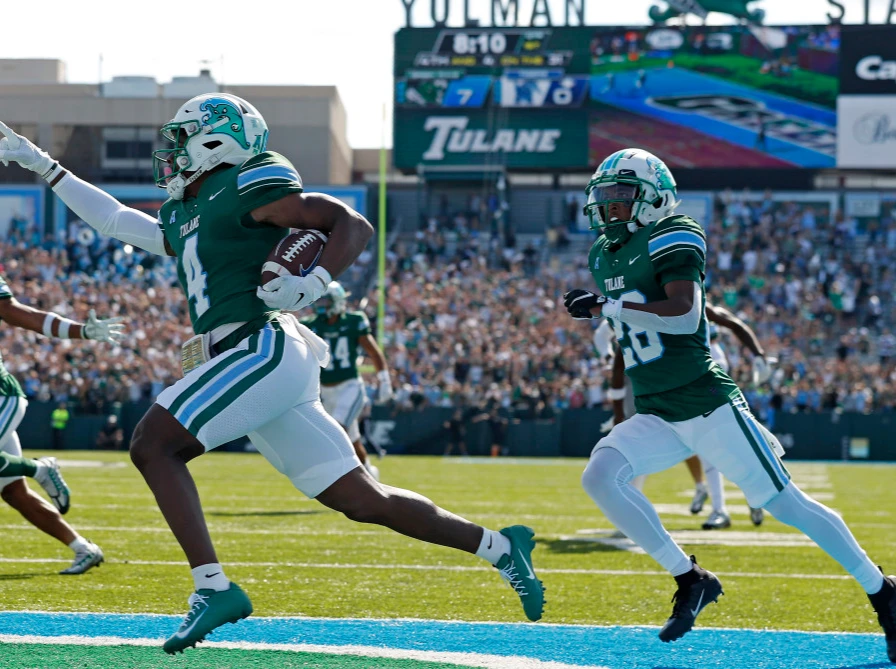
The excitement around a football field is a special feeling. The roar of the crowd is powerful. Cheering with all your heart for one team is a big part of college football. But when we talk about Tulane Football, this picture becomes even deeper. It becomes more full of emotion. This is not just a game. It is a story of over a hundred years of history. It is a relationship built with a city. It is a story of getting up again and again after being defeated. The team is known as the Tulane Green Wave. They are not always the biggest and most powerful team competing for championships. But their very existence is a protest. It is proof of how strong willpower and self-belief can be. In this blog post, we will go deep into the story of this green wave. We will learn about their victories and defeats. We will also learn about their unique culture. This culture makes them different from all other teams.
The history of Tulane Football started in the late 1800s. The year was 1893. At that time, football was a new sports. Tulane University was establishing itself as a respected school in New Orleans. The early teams were not very organized. But slowly, a strong foundation began to form. There is a fun story about how the team got its name. The team was first called the "Tulane Greenbacks" or the "Greenies." Then, around 1920, a songwriter wrote a song. The song was called "The Rolling Green Wave." This song created an image. It showed the players in their green jerseys moving forward like a wave on the field. The song became very popular. So, the name "Green Wave" was accepted by everyone. They are still known by this name today. Their mascot is Riptide. Riptide is a large white pelican. The pelican is the bird of New Orleans and the state of Louisiana. This mascot connects them to their local culture.
The history of Tulane Football has never been a straight path. It has been a roller coaster ride of ups and downs. The team's golden age began in the early 1900s. Especially in the 1920s and 1930s, Tulane was one of the best football programs in the country. In 1931, they finished a season without losing a single game. Many people recognize them as the national champions that year. At that time, they were a major member of the strong Southern Conference. This conference later became the SEC, or Southeastern Conference. But the situation started to change after World War II. Tulane faced constant pressure to maintain its high academic standards. Unlike other big schools, they could not invest as much in football. As a result, they left the SEC in 1966. This was a major turning point in their history. After that, they never really returned to the form of their golden age. Although they did show flashes of brilliance from time to time.
The year 1998 was another bright chapter in Tulane Football history. That year, under coach Tommy Bowden, the team had an undefeated season. They finished with a record of 12-0. They won the Cotton Bowl Classic by beating Brigham Young University. Shaun King and T.J. Bishop were the star players of that team. This success gave new hope to Tulane fans. It made them dream again. But that success did not last for very long. After that, the team went through another period of difficult times. The most terrible of these was the disaster of Hurricane Katrina in 2005. This natural disaster not only destroyed the city of New Orleans. It also brought the Tulane University and its football program to the brink of destruction. That year, their stadium was completely destroyed. They were forced to play their "home" games far away. They played at Louisiana Tech and in Birmingham, Alabama. The players and coaching staff were completely scattered. Some players lost their homes. Others were forced to go to their families. At that time, football was secondary for everyone. The main priority was survival and starting over. But this disaster did not break Tulane Football. Instead, it made their unbreakable spirit even stronger.
The comeback of Tulane Football after Hurricane Katrina was a long and difficult fight. Slowly, both the university and the city began to recover. The football program was also restructured. The biggest symbol of this rebirth is the Yulman Stadium. It opened in 2014. Before Katrina, Tulane's home games were played at the Superdome. The Superdome was very far from the campus. But this new stadium was built right on the campus. This made it easier and more enjoyable for students and local fans to watch the games. It was not just about building a stadium. It was about bringing football back to the heart of campus life. It was a statement that the Green Wave was here to stay. The new stadium created a new energy. Students could now walk to the games on a Saturday. The sound of the band and the cheers of the crowd became a regular part of the fall semester again. This on-campus experience is crucial for building a strong fan base. It helps create a sense of community. The rebirth was not just about the physical structure. It was about restoring the soul of the program.
The culture of Tulane Football is deeply connected to the identity of New Orleans itself. New Orleans is a city known for its resilience, its unique culture, and its love for celebrations. The Green Wave reflects all these qualities. The fans are a unique group. They are not fair-weather fans. They have seen decades of struggles. They have seen moments of great joy and deep sadness. Yet, they remain loyal. They understand that supporting their team is about more than just winning. It is about being part of a community that refuses to give up. The game day experience at Yulman Stadium is special. It has a family-friendly atmosphere. You can see the city's unique spirit in the traditions, the music, and the food. It is a different kind of college football experience. It is less about the massive commercial hype of bigger programs. It is more about a genuine, shared passion. This is the essence of the Green Wave culture. It is a blend of academic pride, a fighting spirit, and a deep connection to the city they call home.
Looking at the players and coaches who have been a part of Tulane Football reveals a lot about the program's character. Many players who come to Tulane are not just top athletes. They are also excellent students. The university has high academic standards. This means the team often competes with a disadvantage compared to schools that lower their academic standards for athletes. This makes their successes even more impressive. Coaches who come to Tulane know they face a unique challenge. They are not just building a team. They are building a program that must balance high academics with the demands of major college football. Coaches like Tommy Bowden and Willie Fritz, who led the team to a recent AAC Championship and a major bowl win, understood this. They embraced the challenge. They built teams that played with heart and intelligence. They proved that you could win at Tulane without compromising the university's values. This commitment to a balanced approach is a core part of the Green Wave's identity. It is a source of pride for the students, alumni, and fans.
The recent success under coach Willie Fritz has brought a new level of excitement to the program. Winning the American Athletic Conference championship was a huge achievement. It was the program's first conference title since 1998. Winning a New Year's Six bowl game, the Cotton Bowl, was even bigger. It put Tulane Football back on the national map. It showed everyone that the Green Wave could compete with and beat the best teams in the country. This success was not an accident. It was the result of years of hard work, smart recruiting, and building a strong team culture. The players bought into the system. They played for each other and for the city. This recent success has created a new generation of fans. It has also brought back older fans who had become discouraged. The future looks bright for Tulane Football. With a stable coaching staff, a beautiful on-campus stadium, and a renewed sense of belief, the program is poised for sustained success. They are no longer just a story of survival. They are becoming a story of victory.
In conclusion, the story of Tulane Football is a powerful narrative. It is a story of resilience, identity, and community. It is about a team that has faced incredible challenges. From leaving a major conference to surviving a devastating hurricane, the Green Wave has always found a way to persevere. Their journey is a reflection of the city of New Orleans itself. It is a story of getting back up, no matter how hard you fall. The culture of Tulane Football is built on this foundation. It is a culture that values education as much as athletic achievement. It is a culture that celebrates loyalty and passion over mere wins and losses. To understand Tulane Football is to understand more than just a sport. It is to understand the unbreakable spirit of a community. The green wave continues to roll, not always the biggest or the strongest, but always moving forward with an unyielding and determined heart. This is what makes them truly special. This is their enduring legacy.

Aug 26, 2025

Aug 26, 2025

Aug 26, 2025

Aug 25, 2025

Jun 28, 2025 13681

Jun 16, 2025 1126

Jun 10, 2025 995

Feb 09, 2025 994

Jun 28, 2025 992